How to Choose the Right Rubber Seal for Industrial Applications
rubber seal rubber element is a vital element used across a wide range of fields to avoid fluid escape, block contaminants, and ensure secure joints between two surfaces. It is typically made from soft polymer-based materials that can deform and adjust to irregular shapes, creating a tight seal against liquids, gases, dust, and environmental elements. Because of its stretchable and long-lasting nature, a rubber seal plays a key function in ensuring the performance and protection of mechanical setups, household equipment, and industrial applications.
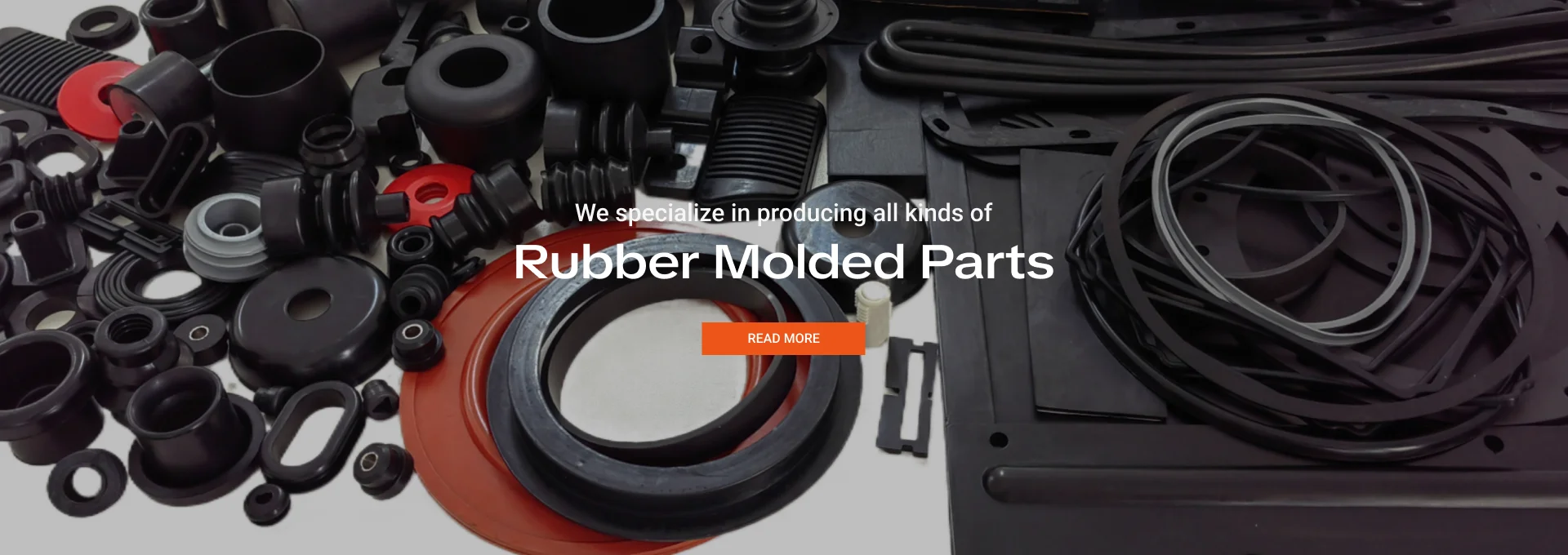
At its core, a rubber seal works by closing tiny spaces between two connected parts. When force is exerted, the material squashes and adapts the surface, forming a firm closure that prevents unwanted substances from passing through. This ability to flex and regain form makes rubber an perfect choice for sealing purposes. It allows the seal to remain effective even when exposed to dynamic stress and environmental shifts.
Rubber seals are widely used in industries such as transport, infrastructure, fluid systems, industrial production, and tech industries. In vehicles, they are found in car openings, glass fittings, engine compartments, and fuel lines, where they help maintain containment and stop dust and water entry. In plumbing systems, rubber seals are used in pipe joints and connectors to prevent water leaks and maintain pressure. In industrial settings, they are essential for industrial machines, pumping systems, and devices that require reliable sealing under changing pressures and temperatures.
One of the major advantages of rubber seals is their adaptability. They can be manufactured in various shapes, sizes, and hardness levels to suit specific applications. Common types include circular seals, flat seals, edge seals, and specialized designs. Each type is engineered to perform under certain conditions, such as high pressure, extreme temperatures, or chemical exposure.
Material selection is another important factor in the performance of a rubber seal. Different rubber types offer different properties such as resistance to heat, oil, chemicals, or weather conditions. Some materials are better suited for UV and weather resistance, while others are designed for chemical-heavy applications. Choosing the correct material ensures long-term durability and efficiency.
Durability is a key characteristic of a high-quality rubber seal. A well-made seal should withstand repeated compression and environmental exposure without losing shape or function. Poor-quality seals may harden, crack, or degrade, leading to leaks and system failure.
Another important feature is their ability to dampen vibrations and minimize sound. In mechanical systems, rubber seals act as a cushion, reducing wear and extending equipment lifespan.
Installation also affects performance. Proper installation ensures even compression and consistent sealing. Incorrect installation can cause gaps, uneven pressure, or leakage.
Rubber seals are also affordable due to low production costs and long service life. They are widely preferred for balancing performance and affordability.
Maintenance is important as well. Regular inspection helps detect defects or deterioration before failure occurs. Timely replacement ensures continued efficiency and prevents costly repairs.
They also contribute to pollution prevention by preventing leaks and containing harmful substances, reducing waste and contamination risks.
Overall, rubber seals are a essential element of modern engineering and everyday systems, ensuring efficiency, safety, and reliability across countless applications.


Comments
Post a Comment